
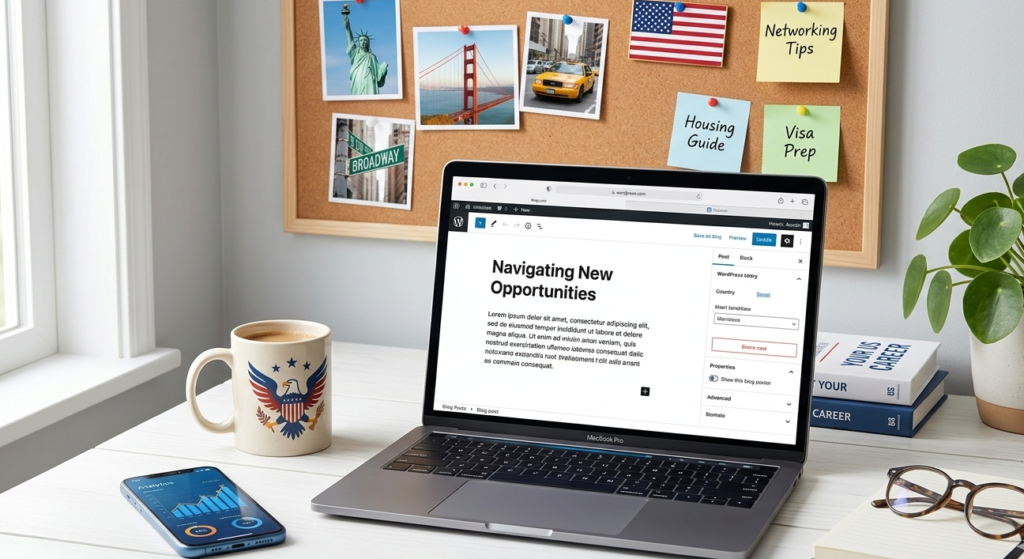
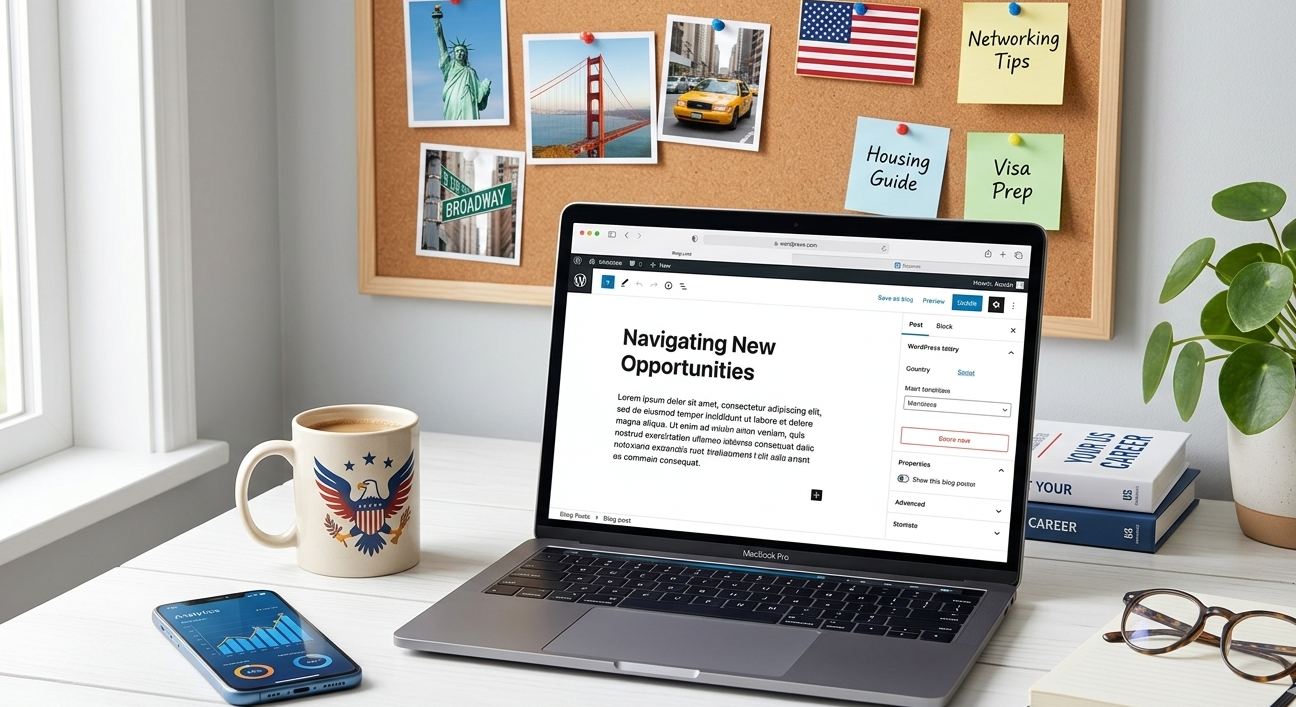
Landing a job in the United States is a life-changing achievement. But once the celebrations die down and the visa paperwork is filed, the real work begins. Adjusting to a new professional culture while building a life from scratch requires a strategic approach.
Whether you’re an expat or a local moving stateside, here is your roadmap for the first 90 days.
1. Decoding the US Work Culture
The American workplace is often characterized by a unique blend of casual interaction and high-intensity output.
- The “At-Will” Reality: Understanding your contract is step one. Most US jobs are “at-will,” meaning the flexibility goes both ways.
- Communication Style: Americans value directness. Don’t be afraid to speak up in meetings; “proactive” is the keyword here.
- Networking is Currency: In the US, it’s not just what you know, but who knows you. Start building your internal network on day one.
2. The Logistics of Living
Moving for work means setting up a “financial identity” as quickly as possible.
- Credit History: If you’re coming from abroad, start building your credit score immediately. It affects everything from your apartment rental to your phone plan.
- Healthcare & Benefits: The US healthcare system is complex. Spend your first week sitting down with HR to understand your 401(k) matching, PPO vs. HDHP plans, and HSA options. It sounds dry, but it’s the most important financial decision you’ll make.
3. Setting Up Your “Power Base”
To perform at your peak, your home environment needs to support your professional goals.
- The Home Office: If you have a hybrid role, invest in a setup that prevents burnout. High-quality peripherals, a comfortable ergonomic chair, and a laptop that can handle your heaviest tasks are non-negotiable.
- Aesthetic Balance: Don’t live out of boxes. Even a few pieces of curated home decor or a personalized desktop wallpaper can make a temporary apartment feel like a launchpad for your career.
Final Thoughts: The Marathon, Not the Sprint
The first few months will be a whirlwind of social security numbers, office jargon, and learning which coffee shop has the best Wi-Fi. Give yourself grace. You were hired because you have the talent—now you just need the time to adapt.
Are you preparing for a move to the US, or have you already made the leap? What was the biggest “culture shock” you faced in the office?